

 English
 русский
 español
 português
 العربية
 China
China



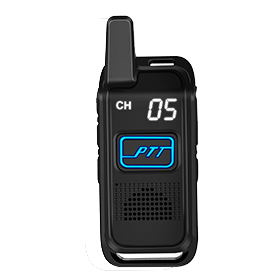
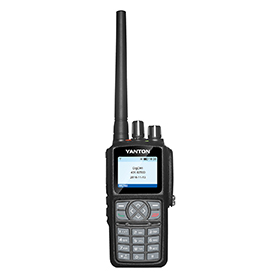
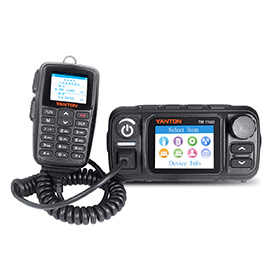

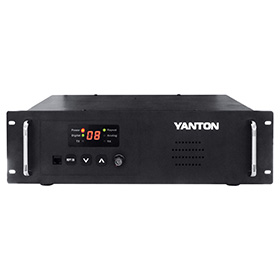


PROTECT YOUR COMMUNICATION HOW THE STUN, KILL, AND REVIVE FEATURES ON TWO-WAY RADIOS
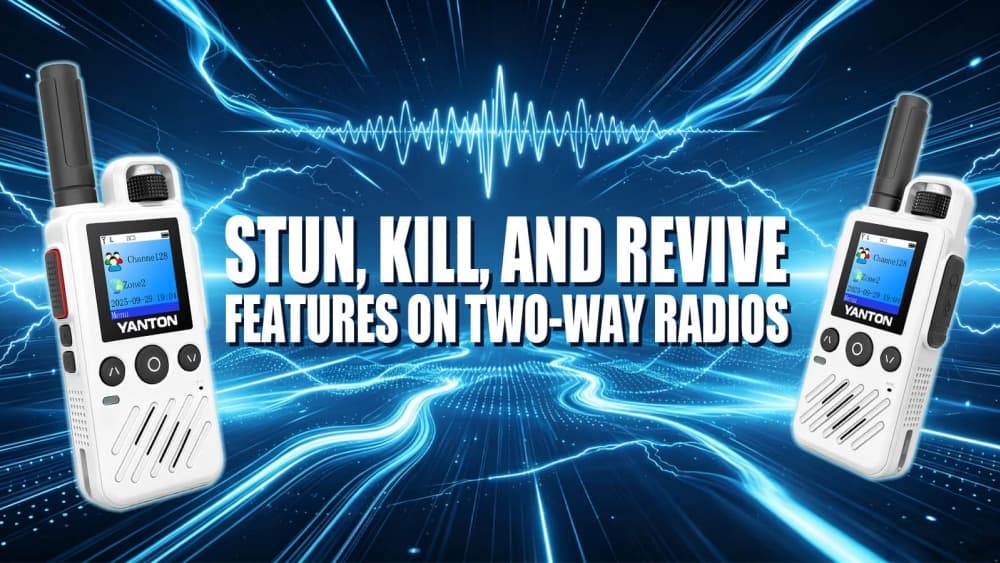
Industries that demand rapid and dependable communication rely heavily on two-way radios for operations in law enforcement, construction sites, security measures, and event coordination. The possibility of loss or theft of these radios remains a persistent risk along with unauthorized access if they fall into the wrong hands. Modern two-way radios are now designed with specialized remote management functionalities named Stun, Kill, and Revive to address security concerns. This functionality delivers a strong protection system against unauthorized radio use while enhancing security measures when the device becomes compromised.
1. Stun Function: Temporarily Disabling a Lost Radio
The Stun function serves to remotely disable radios that have been misplaced or temporarily lost. An authorized radio transmitter or central control sends a stun signal to disable the lost radio remotely. The device becomes unable to send or receive transmissions which makes it completely useless to anyone who discovers or steals it.
Once a radio is stunned:
It cannot transmit any outgoing messages.
It cannot receive any incoming messages.
The radio stops functioning on every available channel and frequency spectrum.
This feature provides maximum protection for sensitive information while blocking unauthorized individuals from eavesdropping or disrupting communication channels.
2. Revive Function: Re-enabling a Disabled Radio
With the Revive function you can reactivate a stunned radio after locating or retrieving it. An authorized device can restore full radio functionality by transmitting a revive signal which enables it to send and receive messages.
The revive function proves essential when a lost radio is found since it enables users to restore full functionality of the device without needing to reprogram it manually.
3. Kill Function: Permanently Disabling a Compromised Radio
The kill function proves more drastic than the stun feature because it serves as the standard response when a two-way radio has gone missing for good or been stolen. Sending a kill signal to the compromised radio disables all its functions which results in permanent inoperability. The kill function makes the compromised radio unusable to unauthorized persons unless a professional restores its functions.
Once a radio has been "killed":
The radio remains permanently unable to function and remote reactivation options are not available.
Restoring the radio to working condition requires either hardware reprogramming or servicing.
In high-security settings the feature becomes essential because sensitive information faces danger if the radio ends up with unauthorized users.
Use Cases and Benefits of Stun/Kill/Revive Features
Organizations that depend on two-way radios for essential communications benefit greatly from Stun/Kill/Revive features.
Enhanced Security: The features block unauthorized access to private communications which safeguards sensitive information and minimizes security breaches.
Cost Savings: The revive feature enables users to retrieve lost devices and restore them to operational status instead of having to replace them completely.
Operational Control: Administrators gain remote control over their radio devices using these features to activate appropriate radios and prevent compromised ones from interrupting communications.
Situational Adaptability: The management of communication devices allows for flexible responses to radio loss whether temporary or permanent by enabling stun, kill, or revive actions based on the specific circumstances.
How the Stun/Kill/Revive Feature Works
Sending stun, kill, or revive signals requires either a secondary authorized device or a central dispatch system. These systems establish air-based communication links with lost or compromised radios to transmit specialized digital commands which radios then receive and process.
Stun Signal: The command when executed prevents the radio from both transmitting and receiving data.
Revive Signal: The Revive Signal delivers a command which returns the radio to its standard operational state.
Kill Signal: The kill signal represents a terminal command which shuts down the radio's internal systems and demands hardware reprogramming for activation.
Radio control signals require encryption to block unauthorized access to stun, kill, or revive commands which allows only authorized personnel to manage radio operations.
Two-way radio communication networks benefit from the Stun/Kill/Revive feature because it enables organizations to regain control when devices go missing or get stolen. These features protect sensitive communications by allowing remote deactivation and reactivation of radios to prevent unauthorized usage while maintaining operational security.
Please read on, stay posted, subscribe, and we welcome you to tell us what you think.
 YANTON Building,Creation Road Tuoxing Industrial,Optoelectronics-information industry base,xiamei town,Nan'an City ,Fujian Province, China. / Room 2105 XM1507 Trend Center 29-31 Cheung , Lee Street Chai Wan,Hongkong
 86-592-5798082
86-595-86767398
86-592-5798082
86-595-86767398
 86-595-86761298


© Copyright: 2026 QUANZHOU YANTON ELECTRONICS CO., LTD. All Rights Reserved.

IPv6 network supported

